Muse Free Tier Guide: 100M Weekly Tokens and How to Claim 1B Referral Tokens
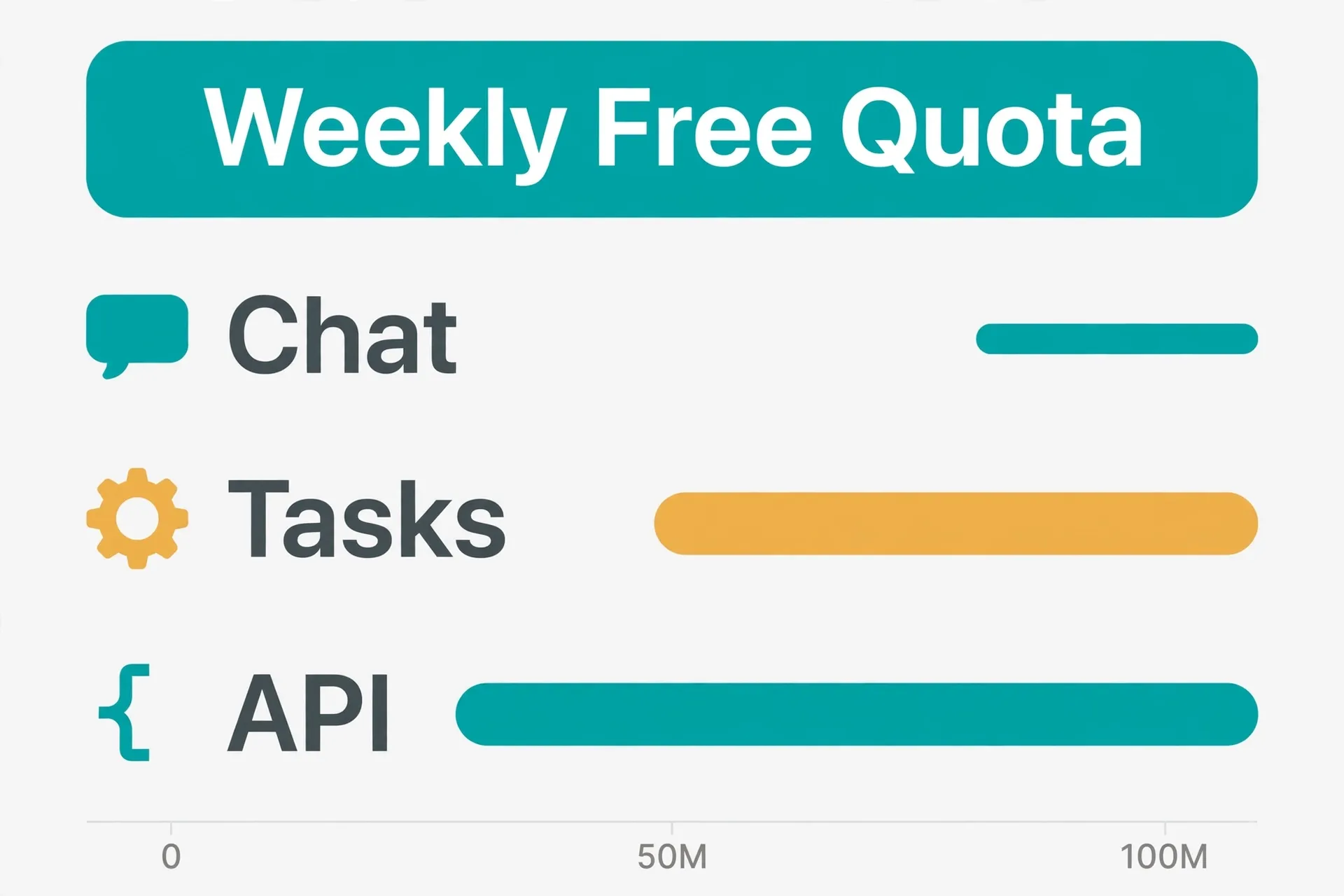
Muse’s free tier is the thing users praise the most — “I haven’t paid a cent” is a phrase a lot of users repeat. Meta is genuinely generous here: roughly 100 million tokens a week on the free tier, and referral codes give both sides 1 billion tokens. Squeeze the free tier dry before you even think about paying — this post is your guide to doing that.
What 100 million tokens a week actually means
In plain terms: 100 million tokens covers roughly tens of millions of words of processing. For scale: Meta’s own engineers used it heavily for three days and only burned through 3% of the free allowance. A typical person asking a few dozen questions and setting up a few tasks a day might not even use 1% in a week.
So the bottom line is simple: for 99% of people, the free tier is basically impossible to exhaust. You don’t need to ration it — just use it. The app has a quota gauge that shows how much you’ve used this week; a glance is enough to keep you oriented.
Referral codes: both sides get 1 billion tokens, but you have 48 hours
This is currently the best deal available:
- Have a friend who’s already using Muse send you their referral link (or check the official entry point at muse.ai/join).
- Enter the referral code within 48 hours of signing up — miss the window and it’s gone. This is the easiest step to trip up on.
- Once entered successfully, you and the person who referred you each get 1 billion tokens, credited immediately.
- You can then invite others yourself, up to 10 people.
What does 1 billion tokens mean? By the ratio above, it’s enough for a heavy user for several months. Claim this and you likely won’t need to think about paying for a good while.
One warning: don’t spam your referral code in public groups to farm signups — Meta doesn’t go easy on detected abuse, and a ban isn’t worth it.
For the full mechanics (exactly when the clock starts, the 10-person referrer cap, what a billion tokens is actually worth) see our referral program guide. If you don’t have a code yet, our live referral code board has community members dropping fresh ones in real time — no waiting.
Power at $20 vs. Maximum at $100 — how to choose
| Free | Power | Maximum | |
|---|---|---|---|
| Price (web) | $0 | $16/mo | $80/mo |
| Price (iOS) | $0 | $20/mo | $100/mo |
| Quota | ~100M tokens/week | Substantially higher | Highest |
| Best for | Most people | Heavy users, people using it for work | Teams, developers, high-frequency automation |
Note the price gap: subscribing via the web is cheaper than via iOS ($16 vs. $20, $80 vs. $100), because Apple takes a cut. Subscribe on the web if you want to save money — don’t buy directly inside the app.
When should you upgrade? Three signals: your quota gauge is frequently in the red; you’re having Muse run daily automations (scheduled briefs, batch processing); or you’re a developer building on the Muse Spark API. If neither of the first two applies, stay on free with no worries.
Where to check your quota gauge
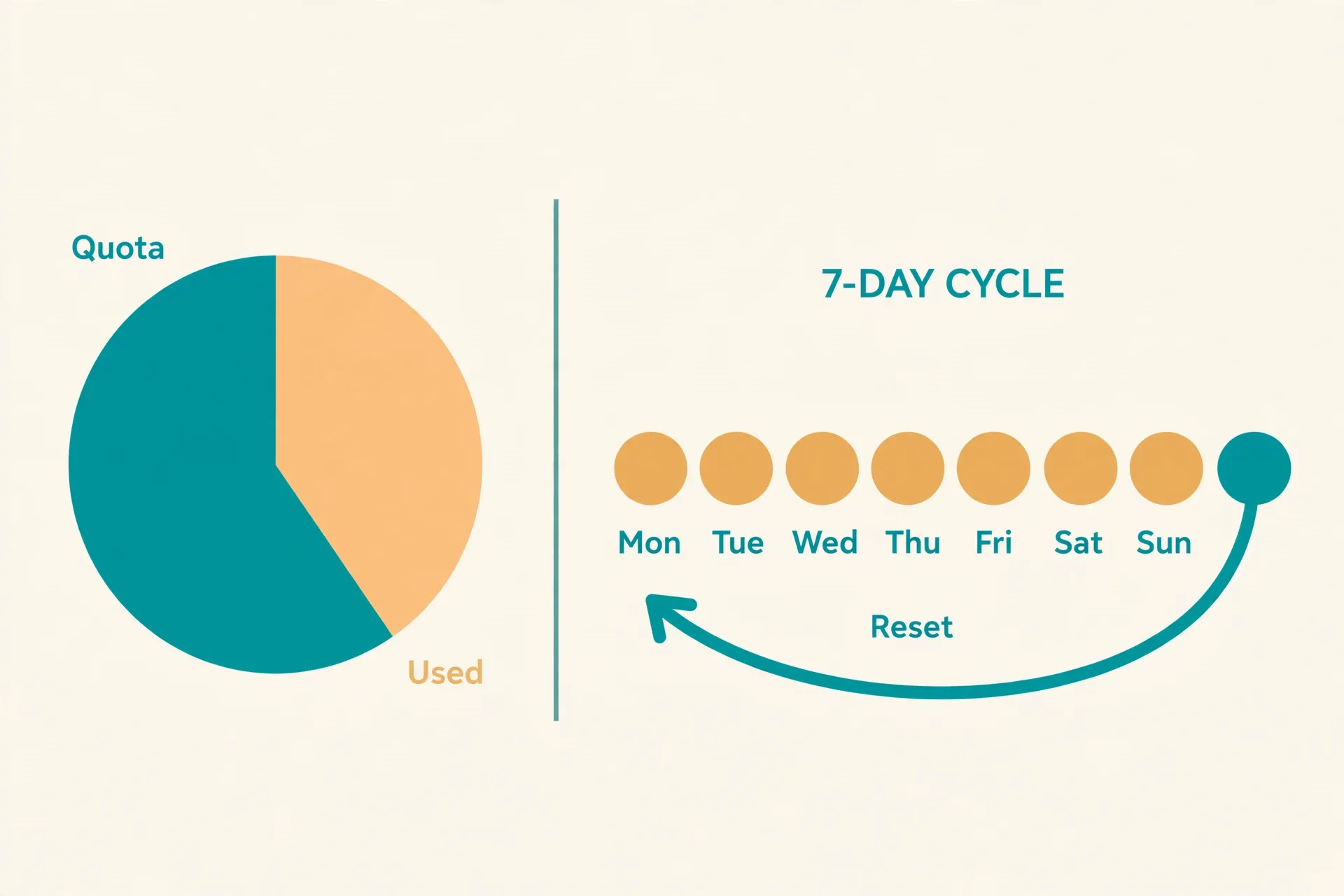
Open the app; the usage dashboard is under your account or settings, and it resets weekly. Get in the habit of glancing at it occasionally — you don’t need to watch it daily, since as noted, 99% of people never come close to the limit.
What tokens actually are — don’t let the word scare you
A lot of people hear “tokens” and assume it’s some complicated concept. Just think of it as “the unit AI work is measured in”: every sentence you type, every word it responds with, every email it reads for you — all of it consumes tokens.
No need to do the math or memorize a formula — just remember three rough tiers:
- Chatting, asking questions: dozens of exchanges a day, and you might use under 1% in a week.
- Assigning tasks it runs (booking, research, batch processing): tens to hundreds of thousands of tokens per task — still a drop in the bucket.
- Developers making bulk API calls: this is the scenario that actually burns tokens fast — not something a typical person runs into.
So don’t get anxious watching the gauge — a slow-climbing number is normal; only consider upgrading once it’s genuinely running hot.
Free or paid: a one-minute decision
Go through these three checks — only pay if you hit all three:
- Your free-tier gauge has been in the red for two weeks straight — note: consecutive, not a one-off spike.
- You’ve already made Muse your main productivity tool — using it daily for work, automation, or client jobs.
- You’re a developer building a product on the Muse Spark API and the free tier can’t keep up with call volume.
Miss even one? Stay on free. This is a real subsidy from Meta right now — ride it until the policy changes. If the free tier ever tightens up, we’ll update this guide immediately (check the “last verified” date at the top).
Referral codes in practice: where to enter one, and what if you mess it up
The referral step is the easiest place to trip up, so here are the exact details:
- Where: have a friend send you their personal referral link directly; if you don’t know anyone using it yet, check muse.ai/join for an open application entry point.
- Timing: enter it within 48 hours of signing up, or it expires. The clock starts from when your account is created, not from when you receive the link — so don’t sit on a link once you have it.
- Typos: an incorrect code usually shows an error, so just re-enter it correctly; but once the 48-hour window closes, nothing can bring it back.
- Crediting: both sides get 1 billion tokens, usually credited instantly — check your quota gauge for the jump. If it hasn’t landed after a few minutes, check again, and contact official support if it’s still missing.
- Being the referrer: once you have your own quota, share your link with friends, up to 10 people. Don’t spam public groups — Meta enforces abuse detection strictly, and a ban isn’t worth it.
Bottom line: referral codes are a time-limited, two-way bonus — move fast, but don’t cheat.
FAQ
Do I need to add a card for the free tier? Yes. Signing up for the free tier still requires a payment method on file (Stripe Link’s one-time virtual cards are supported and relatively safe). If that bothers you, use a virtual card — it’s a good habit regardless.
Can I still claim a referral code after 48 hours? No. The window is a hard cutoff — you’d need to find a new referral link and start over.
Do free-tier and referral tokens expire? The free tier resets weekly; the exact validity period for referral bonuses follows official terms — use it soon after you get it.
Is the Maximum tier worth it for individuals? $100/month is genuinely expensive. Unless Muse is your main productivity tool (hours a day, running automation, doing development work), Power is already more than most people need. Try free for three months first.
What happens when I run out of quota? It slows down or pauses until the weekly reset — it won’t silently charge you, as long as you haven’t opted into a paid subscription. If you’re trying to make money with Muse (like running an errand service), budget your quota carefully first — see our Muse errand-service playbook or, if you want to stay entirely inside the free tier, three business ideas that fit inside ~100M weekly tokens.
Can I transfer quota to someone else? No. Quota and referral bonuses are both tied to the account and non-transferable. To help a friend save money, just send them your referral link and let them claim the 1 billion tokens themselves.
New to Muse? Start with the download & setup guide — iOS, Android, Mac, web, and WhatsApp compared, and why Windows still has no native app.
References
- Muse’s official site — the authoritative source for free-tier policy, the referral entry point (muse.ai/join), and the signup process.
Don't just read it — run the first job this week
Subscribe and get a 7-day validation checklist.
Subscribe free